

Academic integrity is the backbone of real education. It defines how students learn, how researchers work, and how knowledge maintains its value. In today’s digital world, where online study resources are available instantly, academic integrity matters more than ever.
Students now have access to lecture notes, summaries, assignments, and academic discussions from around the world. While this access can greatly improve learning, it also brings responsibility. The way these resources are used determines whether they support education or harm it.
This guide explains academic integrity in simple terms, why it is important, how students often violate it without realizing, and how to use online study materials responsibly while protecting your academic future.
What Is Academic Integrity?
Academic integrity means being honest, ethical, and responsible in your academic work. It applies to students, teachers, researchers, and institutions alike. At its core, it is about learning with sincerity and producing work that reflects your own understanding.
Academic integrity includes creating original work, giving proper credit to sources, respecting intellectual property, and avoiding dishonest practices. It does not mean you must know everything already. It means you are willing to learn, make effort, and be truthful about what you know and what you don’t.
True learning happens when integrity is present. Without it, education becomes meaningless.
Why Academic Integrity Is Important for Students
Many students see academic integrity as a set of rules meant to limit them. In reality, it exists to protect students and the value of their education.
When you follow academic integrity, your grades and degree carry real value. You develop critical thinking skills instead of memorization habits. You gain confidence in your abilities because you know your success is earned, not copied.
Academic integrity also prepares you for professional life. Employers value honesty, responsibility, and independent thinking. Habits formed during education often continue throughout a career.
Most importantly, integrity protects your future. Academic misconduct can lead to penalties, failed courses, or even expulsion. Honest learning avoids these risks entirely.
The Rise of Online Study Resources and New Challenges
Online learning platforms and shared academic resources have transformed education. Students can now explore multiple explanations of the same topic, review notes from different perspectives, and study more efficiently than ever before.
However, easy access also creates confusion. Many students are unsure where ethical use ends and misuse begins. Copying content, reusing assignments, or relying entirely on shared notes can cross academic boundaries, even if done unintentionally.
The solution is not avoiding online resources, but learning how to use them correctly..
Common Academic Integrity Mistakes Students Make
Academic misconduct is not always intentional. Many students violate integrity rules simply because they are unaware of them.
One common issue is plagiarism. This happens when students use someone else’s words or ideas without proper acknowledgment. Even paraphrasing too closely to the original source can be considered plagiarism.
Another mistake is submitting shared study material as personal work. Study guides and example answers are meant to help you understand concepts, not to be copied directly into assignments.
Improper collaboration is also common. Working with friends on individual tasks may feel harmless, but it can violate course rules if independent work is required.
Some students also misrepresent sources by citing materials they never read or inventing references. This weakens academic credibility and can lead to serious consequences.
How to Use Online Study Materials Responsibly
Online academic resources are valuable when used ethically. Responsible use supports learning instead of replacing it.
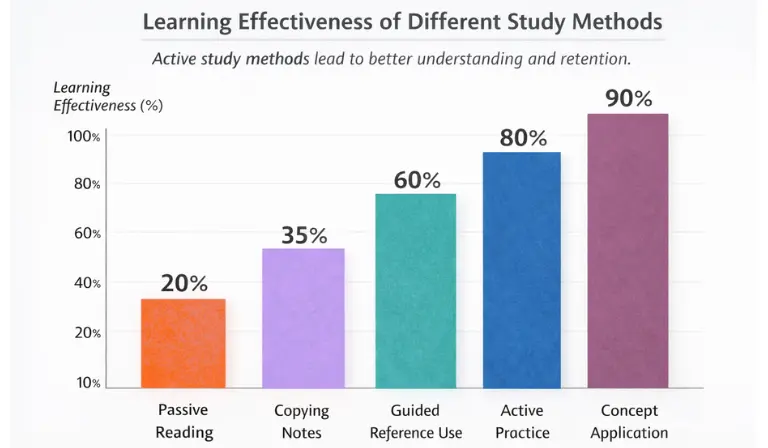
You can use shared notes to understand difficult topics, compare explanations, or prepare for exams. You can study examples to see how answers are structured or how problems are solved. These practices strengthen understanding and improve performance.
Irresponsible use includes copy-pasting content, submitting downloaded work as your own, or using materials to avoid learning altogether. These actions damage both integrity and long-term skills.
A simple rule helps: use resources to learn, not to submit.
Responsible vs Irresponsible
| Study Activity | Responsible Use | Irresponsible Use |
| Shared notes | Used to understand concepts | Copied directly |
| Assignments | Written in own words | Submitted as downloaded |
| Exam preparation | Practicing and revising | Memorizing answers |
| Source usage | Proper acknowledgment | Ignoring citations |
| Learning result | Strong understanding | Weak long-term skills |
Practical Tips to Avoid Plagiarism
Plagiarism is one of the most common academic issues, but it is also one of the easiest to prevent.
Always write assignments in your own words after understanding the topic. If you use an idea from a source, acknowledge it properly. Learn basic citation styles required by your institution and apply them consistently.
Using plagiarism checkers can be helpful as learning tools, but they should not replace ethical judgment. When unsure, it is always safer to cite a source than to risk misrepresentation.
Original work does not mean inventing facts. It means expressing understanding through your own thinking.
Academic Integrity in Research and Higher Education
For advanced learners and researchers, academic integrity becomes even more critical. Research integrity involves honest data collection, accurate reporting, and transparent methodology.
Manipulating data, hiding errors, or exaggerating results damages not only individual credibility but also the trustworthiness of entire academic fields. Ethical research ensures that knowledge progresses responsibly and reliably.
The Role of Educational Tools in Ethical Learning
Educational tools can support academic integrity when used responsibly. Ethical tools help organize study material, save time, and improve accessibility without replacing genuine effort.
The key factor is intent. Tools should assist learning, not bypass it. Technology itself is neutral. The way students use it determines whether it supports integrity or undermines it.
Responsible learners use tools to understand better, not to avoid thinking.
Building Strong Study Habits Based on Integrity
Academic integrity is not just about avoiding penalties. It is about building habits that lead to success.
Students who study honestly develop better problem-solving skills. They retain knowledge longer and perform better in real-world situations. They also experience less stress because they are not constantly worried about being caught or penalized.
Creating a personal code of ethics can help. Ask yourself whether your work reflects your understanding and effort. If you can confidently explain your answers, you are likely on the right path.
Long-Term Benefits of Academic Integrity
Integrity offers benefits far beyond the classroom. It builds self-respect, confidence, and trust. Employers and institutions value individuals who demonstrate honesty and accountability.
Academic shortcuts may provide short-term results, but they weaken long-term growth. Skills built through honest learning last a lifetime.
Education is not about finishing assignments. It is about becoming capable, knowledgeable, and responsible.
Final Thoughts
Academic integrity is not an obstacle to success. It is the foundation of it. In a world filled with digital resources, true education depends on how responsibly those resources are used.
By choosing ethical learning practices, students protect their future, respect knowledge, and gain skills that matter far beyond exams and grades.
Integrity transforms information into education and access into understanding.
